History of the Village of Shelby
Our Beginning
The Village of Shelby traces its roots back to 1879, when the expansion of the railroad opened new opportunities across Nebraska. Named after Peter Paul Shelby, a prominent railroad official, the settlement grew quickly as families, farmers, and entrepreneurs recognized the promise of this fertile land and convenient rail connection.
A Railroad Town
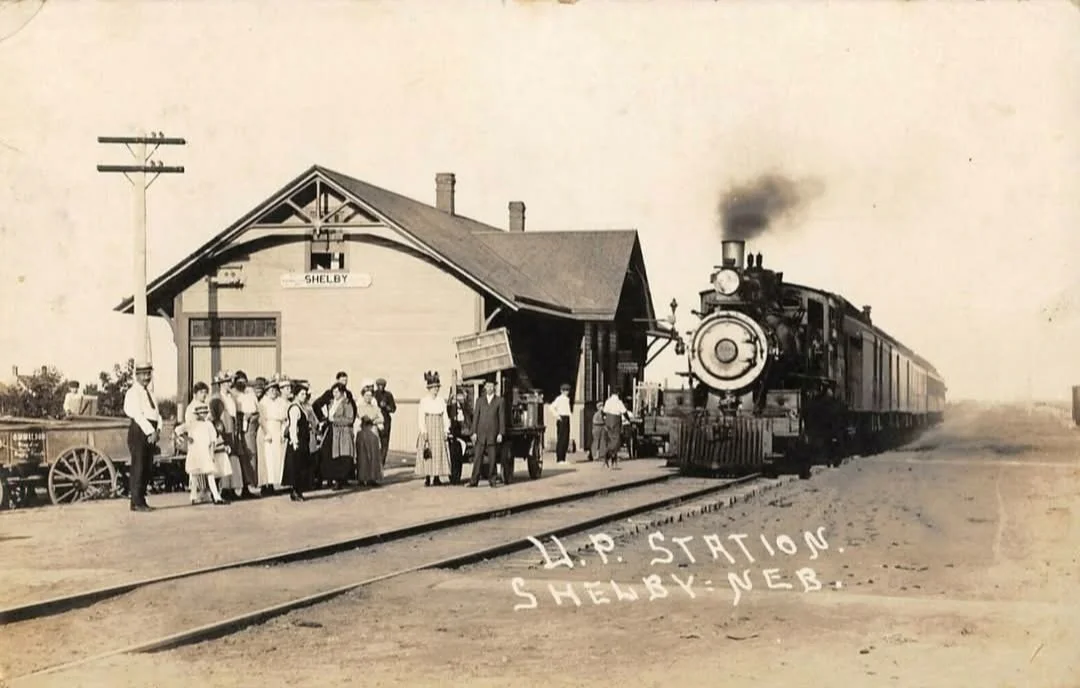
The railroad was more than just transportation—it was Shelby’s lifeline. In its early years, trains brought supplies, equipment, and news from faraway places, while carrying local crops and goods to markets across the country. The depot became the heart of activity, and many of Shelby’s earliest businesses set up shop nearby to serve travelers and townsfolk alike.
Agricultural Roots
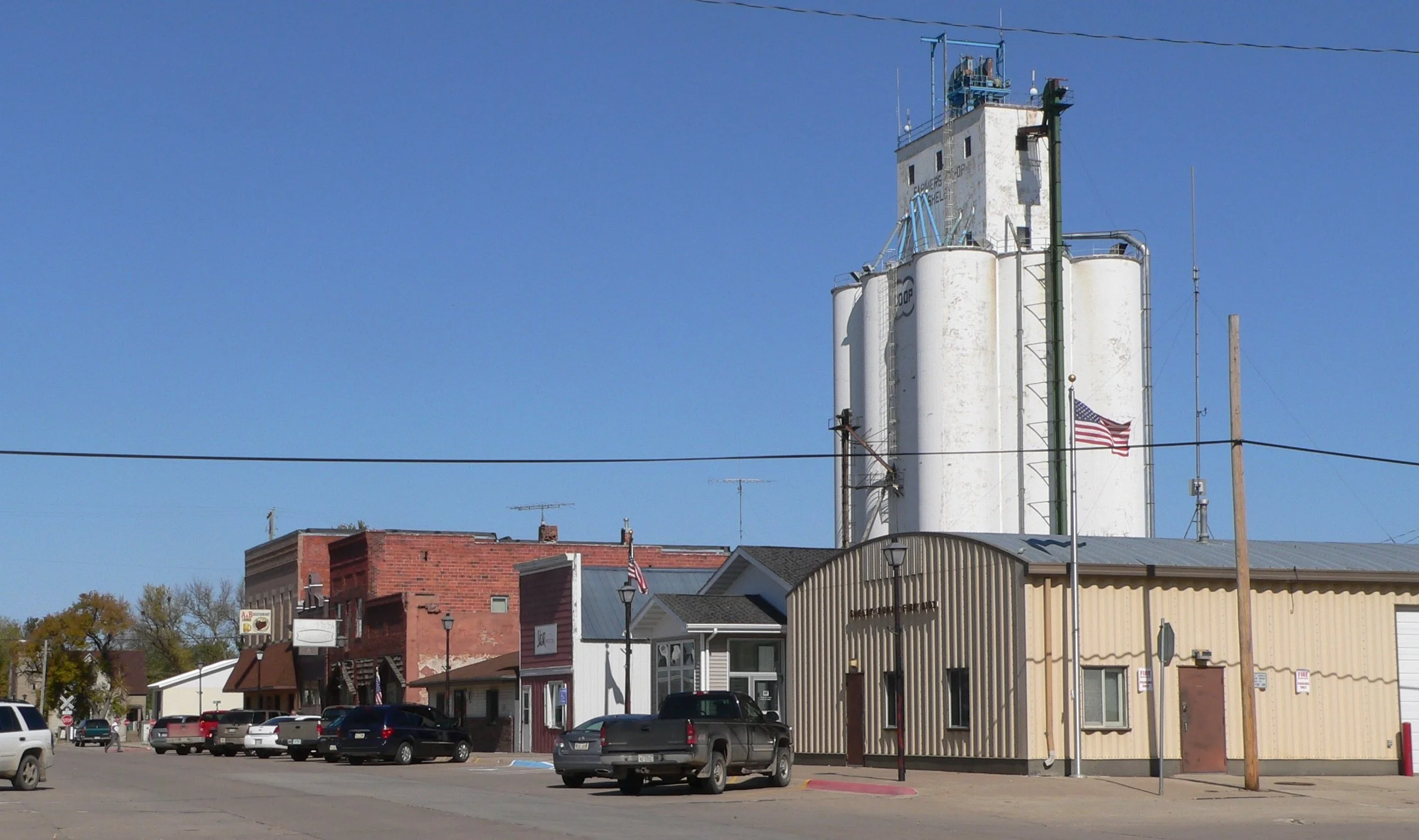
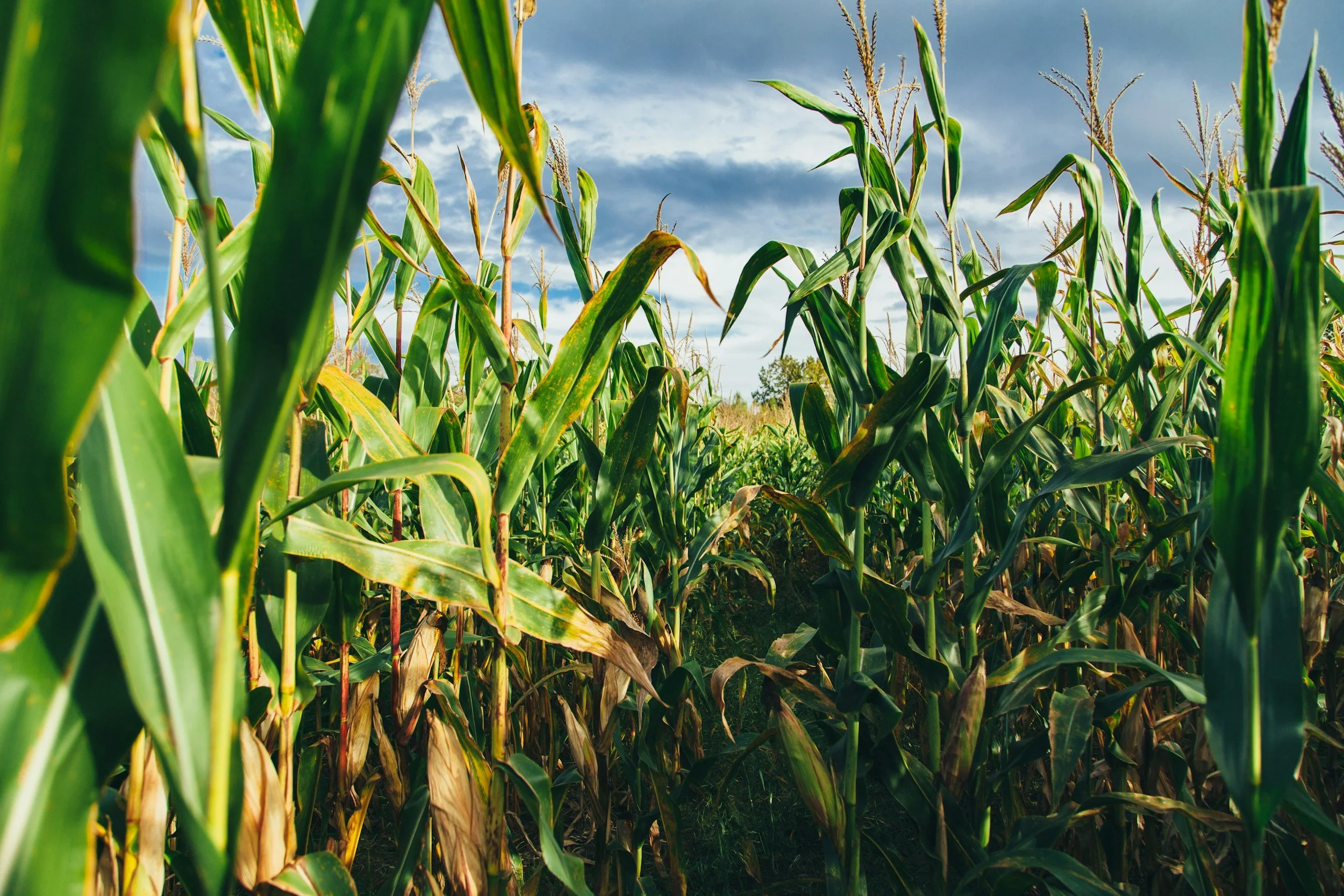
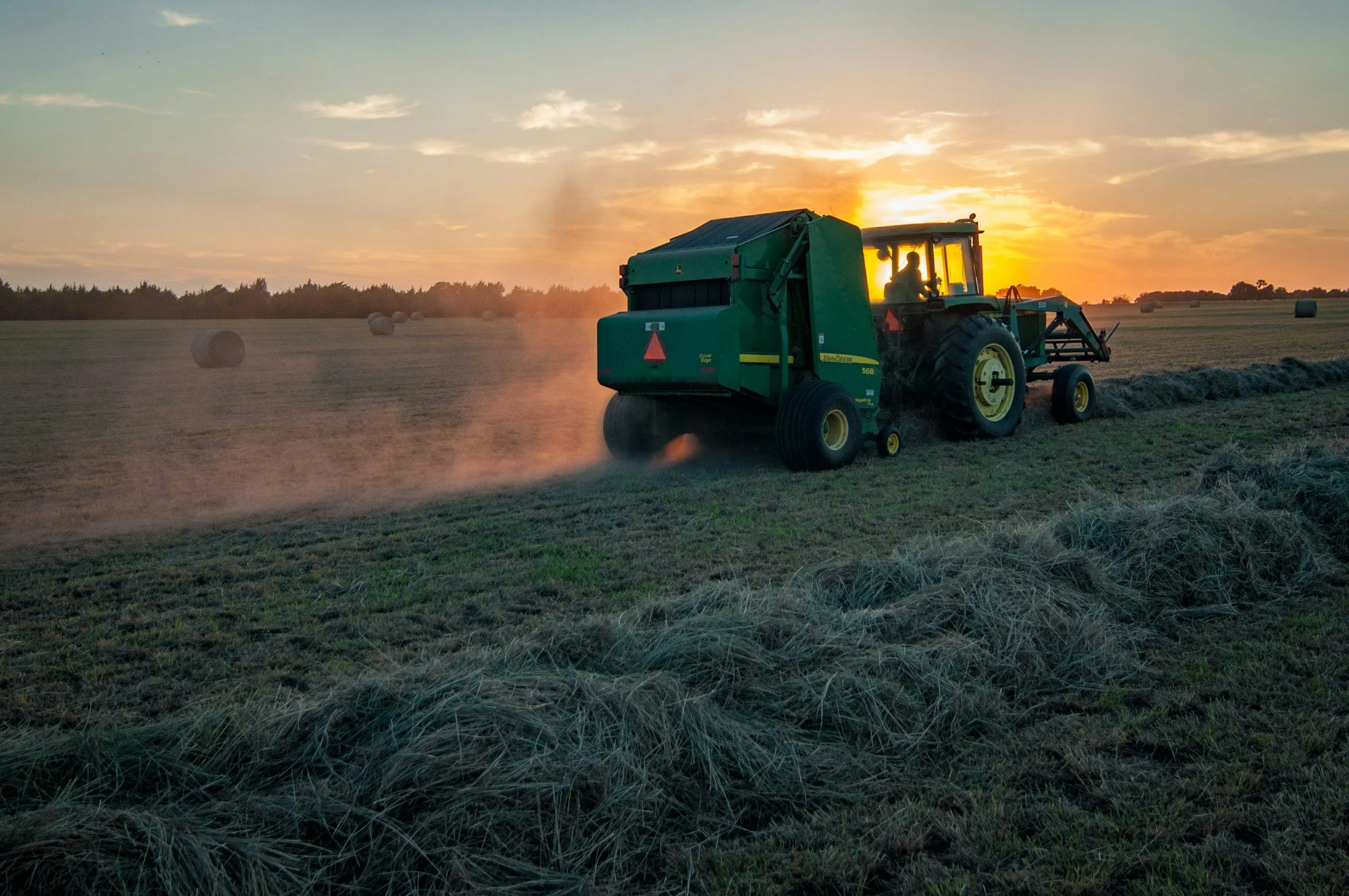
Shelby’s location in rich Nebraska farmland made agriculture the backbone of its economy. From the earliest homesteads to modern family farms, generations have worked the land, growing corn, soybeans, and other crops while raising livestock. Grain elevators and co-ops became defining features of the village skyline, symbolizing both hard work and community cooperation.
Growth and Community Life
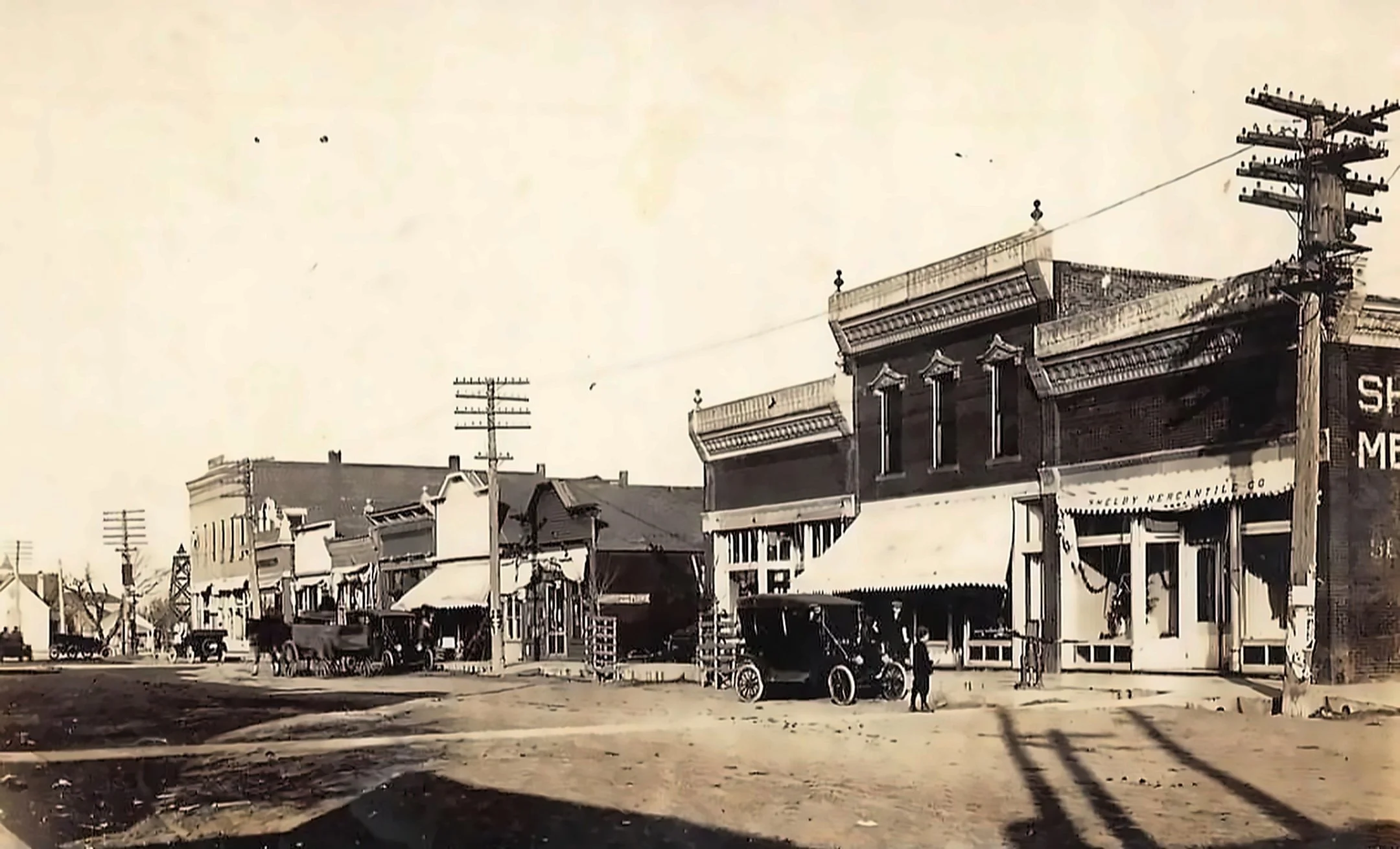
Through the 20th century, Shelby steadily developed its infrastructure—paved streets, schools, churches, and public buildings—to support its growing population. Civic pride flourished through volunteer organizations, local sports, and community events. Annual celebrations, such as parades and festivals, brought residents together and strengthened Shelby’s small-town spirit.
Preserving Our Heritage